

The 7 Best Land Loans for Bad Credit Providers in 2026
Last updated: 2026-11-08
Finding a way to finance a piece of earth when your credit score is in the gutter feels like trying to build a house on quicksand. Most traditional banks want a spotless history, but the reality of property ownership often involves a few bumps in the road along the way. You might be dealing with a recent medical bill, a period of unemployment, or simply a history of high credit utilization that has dragged your score down. Regardless of the cause, the goal remains the same: securing a foothold on a piece of land.
This ranking looks at various ways to secure funding for land, even when your financial past isn’t perfect. Choosing the right provider requires looking beyond just the interest rate; speed, ease of application, and the specific impact on your credit score are vital metrics. A high interest rate is manageable if the loan is short-term, but a predatory term or a sudden dip in your credit score during the application process can derail your entire dream of land ownership.
- Acorn Finance
- LightStream
- JetzLoan
- Alliant Credit Union
- Texas Bay Credit Union
- OppLoans
- Experian
Evaluating Land Financing Options for Challenging Credit
Selecting a lender for land is a different beast than getting a standard mortgage for a suburban home. When you buy a house, the structure itself serves as collateral that depreciates slowly and is easy to value. Land, however, is often considered a riskier asset by big banks. It is illiquid, meaning it can take months or even years to sell if the lender needs to foreclose. Because of this volatility, those with less-than-ideal credit might find themselves facing higher hurdles, more stringent down payment requirements, or much higher interest rates than a standard residential mortgage.
The following evaluation focuses on how these lenders handle non-traditional credit profiles. We have categorized them based on their utility to someone in a non-ideal financial position. Criteria included the ability to apply without immediate credit score impact, the speed of the funding process, and the flexibility offered to those who might struggle with traditional banking standards. We also considered the “intent” of the loan—whether it is for the initial purchase, the improvement of the land, or the bridging of a temporary cash gap.
| Lender Name | Loan Amounts | Funding Speed | Credit Requirements |
|---|---|---|---|
| Acorn Finance | See site | Fast | Good & Bad Credit |
| LightStream | See site | See site | See site |
| JetzLoan | See site | See site | See site |
| Alliant Credit Union | See site | See site | See site |
| Texas Bay Credit Union | See site | See site | See site |
| OppLoans | $100 – $5,000 | Same-day | Non-traditional |
| Experian | See site | See site | See site |
1. Acorn Finance
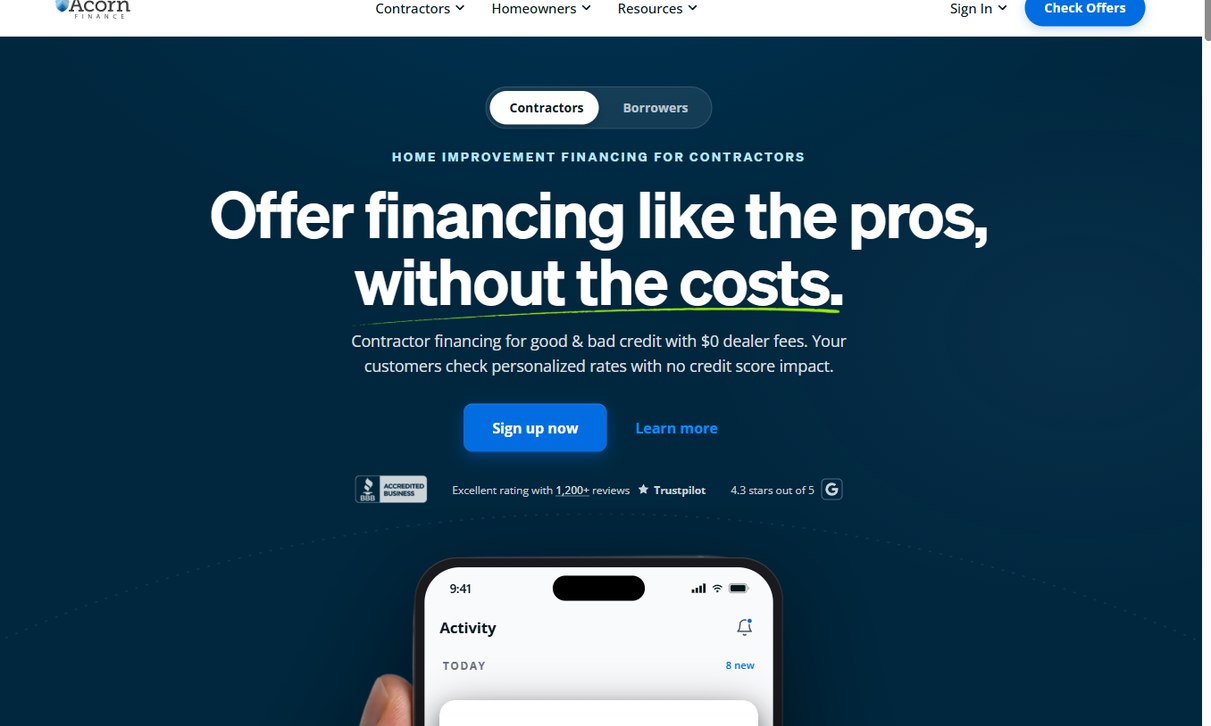
Acorn Finance acts as a bridge for those needing to fund home or property improvements. They offer a specialized approach by focusing on contractor financing, which can be a lifesaver when you need to get a project moving on your new land. For example, if you have secured a plot of land but realize you immediately need to install a septic system, drill a well, or clear trees to make the property usable, Acorn can facilitate those specific costs.
This provider is particularly useful for those who need to secure funding quickly without a massive hit to their credit score during the initial check. They utilize soft credit pulls for the initial quote, meaning you can shop around and see what your options are without the dreaded “hard inquiry” that lowers your score. It is a streamlined option for various renovation and installation needs that turn raw dirt into a buildable lot.
Pros:- $0 dealer fees for contractors
- Personalized rates with no credit score impact initially
- High customer satisfaction ratings
- Primarily focused on contractor-based financing rather than direct land purchase
2. LightStream
LightStream is a well-known name under the Truist umbrella, offering loans for practically anything. While they are a massive player in the lending space, they are not a “quick fix” for those in a desperate financial pinch. They typically cater to borrowers with established credit histories who are looking for competitive rates on unsecured personal loans.
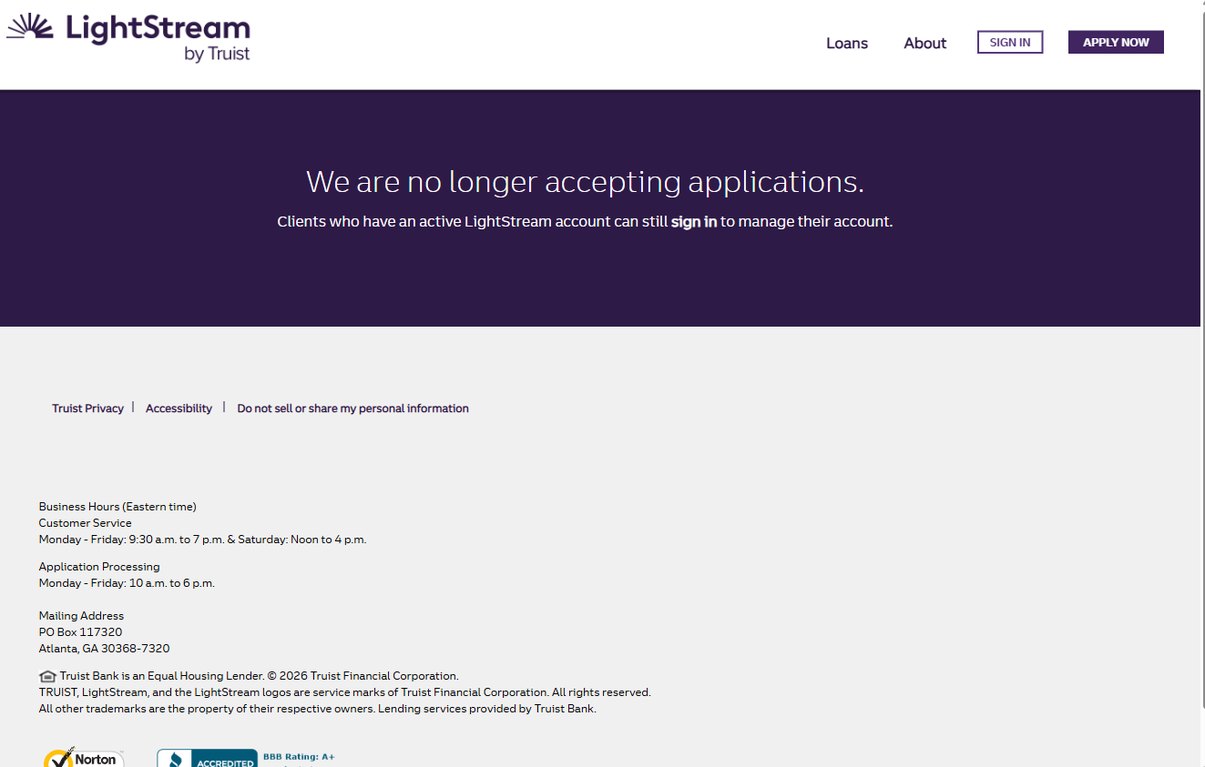
Currently, they are not accepting new applications, which is a crucial detail for anyone looking for immediate land financing. They remain a benchmark for high-quality lending, but the door is currently closed to new seekers. If you are looking for them as a long-term goal, use this time to clean up your credit so that when they reopen or when similar top-tier lenders do, you are at the front of the line.
Pros:- Backed by a major financial institution
- Versatile loan purposes
- Not currently accepting new loan applications
3. JetzLoan
JetzLoan enters the fray as a specialized option for those navigating the complexities of land and property financing. They occupy a unique space for borrowers looking for alternatives to the big, rigid banks. Traditional banks often require a minimum credit score of 680 or 700 for land loans; JetzLoan is designed to navigate the gray areas where those traditional rules might not apply.
While specific details on their bad credit thresholds are evolving, they represent the modern shift toward faster, more digital-centric lending. They are built for the modern borrower who wants to skip the endless paperwork of a 40-page loan application. Their platform is optimized for mobile users and those who need a streamlined, digital experience to secure funds for land-related expenses.
Pros:- Modern, digital-first approach
- Specialized in niche lending markets
- Less transparency on specific credit requirements compared to giants
4. Alliant Credit Union
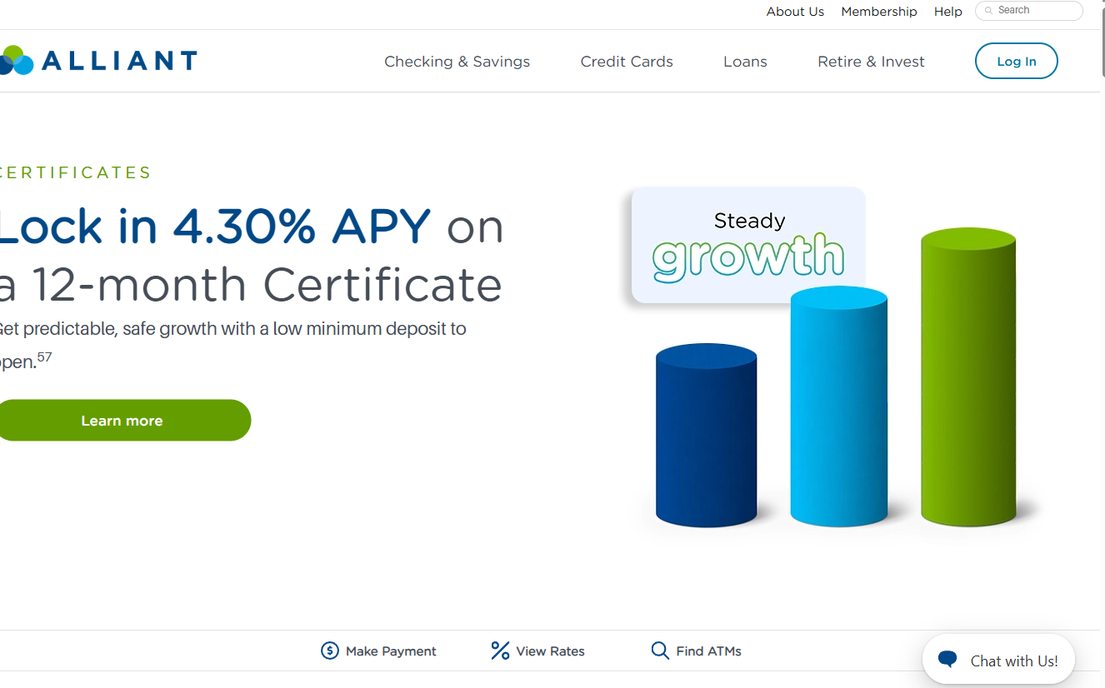
Alliant Credit Union offers a more traditional, community-focused alternative to the big banks. They provide a variety of services including high-yield savings and checking, which can help you build a foundation for future homeownership. Unlike a predatory lender that focuses on the “now,” Alliant is a partner for the “next.”
For those looking to “journey home,” Alliant provides tools to save and prepare. This might include building a substantial down payment in a high-yield account to offset the higher interest rates you might face if you have to use a subprime lender later. While they might be more selective than a hardship lender, their member-centric model is excellent for long-term financial health. If you are serious about land ownership, starting your relationship with a credit union like Alliant can create a track record of stability.
Pros:- High-interest savings options to help fund a down payment
- No monthly fees on certain accounts
- Member-focused service
- Credit union membership requirements may apply
5. Texas Bay Credit Union
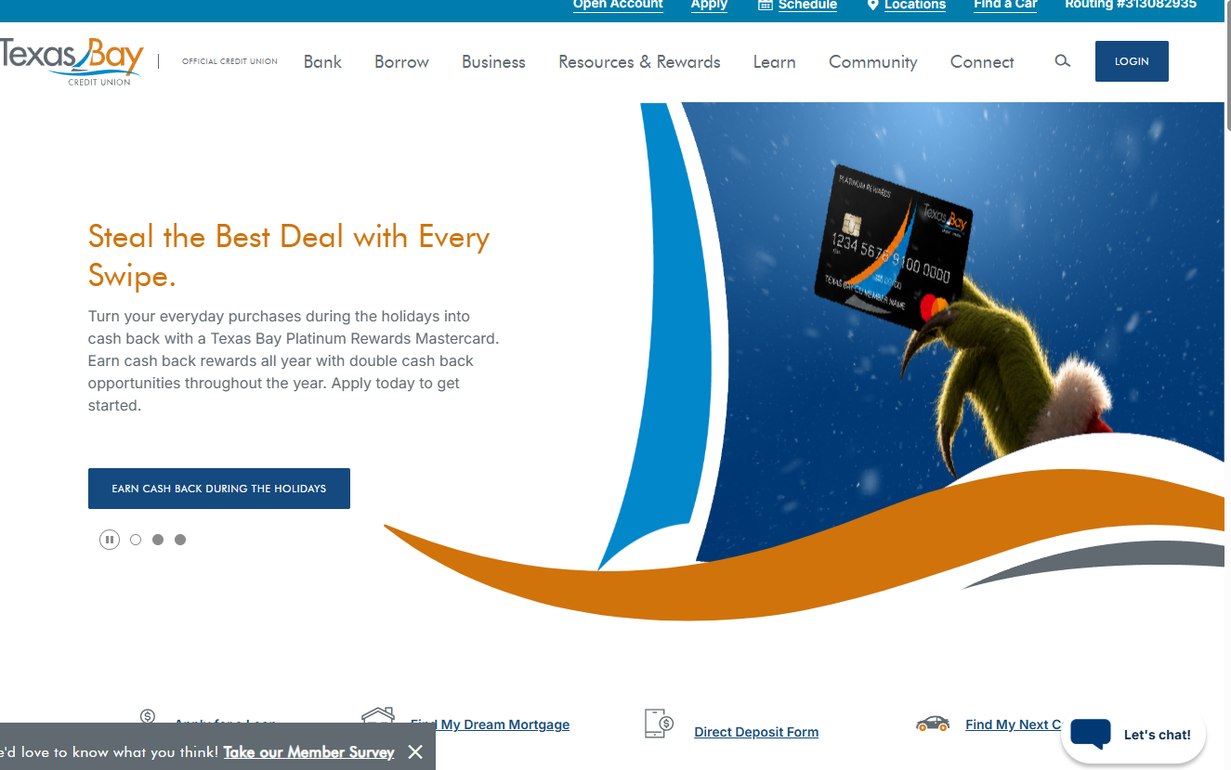
Texas Bay Credit Union is a solid choice for those who need a bit of breathing room during the holidays. They understand that life happens—unexpected car repairs or medical bills can disrupt your ability to save for land. They offer unique flexibility like skipping a monthly payment in December, which can help you stay on track with your long-term goals without falling into a debt spiral.
This flexibility can be a godsend if you are trying to manage your cash flow while preparing to invest in land. It provides a psychological and financial safety net. They also offer rewards programs that turn everyday spending into potential cash back, which, while small in the grand scheme, adds up when you are trying to scrape together the funds for a property tax deposit or a land survey fee.
Pros:- Ability to skip a qualifying payment in December
- Cash back rewards on everyday purchases
- Community-oriented banking
- Specific flexibility programs are seasonal and limited
6. OppLoans

When you need cash fast and your credit isn’t exactly a masterpiece, OppLoans steps into the ring. They design their loans specifically for people who might have been turned down by traditional lenders due to a thin credit file or a recent dip in score. These are often short-term liquidity solutions rather than long-term real estate financing.
The application is quick, and they can often provide same-day funding. This makes them a go-to for urgent needs, such as paying a deposit to hold a piece of land before another buyer swoops in. However, you must be mindful of the terms as these are designed for speed and accessibility. The interest rates are significantly higher than a mortgage, so these should be viewed as tactical tools for immediate hurdles, not as a way to fund the entire purchase of a large acreage.
Pros:- Applying does not affect your FICO® score
- Same-day funding available
- Decisions made in minutes
- Loan amounts are relatively small ($100 to $5,000)
7. Experian
Experian is a powerhouse in the credit world, offering tools to help you actually improve your standing. Instead of just being a lender, they provide the roadmap to help you get better rates in the future. If you know you want to buy land in 18 to 24 months, using Experian’s tools now is one of the smartest investments you can make.
You can use services to boost your score by paying bills like rent or utilities on time. Many people don’t realize that “alternative data”—like your history of paying your phone bill or electric bill—can be factored into your profile. This is a strategic move for anyone planning to buy land in the next year or two. By moving your score from the 500s to the 600s, you could save tens of thousands of dollars in interest over the life of your eventual land loan.
Pros:- Tools to raise credit scores instantly via bill payments
- Comprehensive credit monitoring
- Helps with long-term financial planning
- Not a direct lender for land loans
Strategic Steps for Improving Your Borrowing Power
If you find that your current options are limited, you can take proactive steps to improve your eligibility for better land loans. This is a marathon, not a sprint. Consider these specific actions:
- Reduce Credit Utilization: If your credit cards are maxed out, your score will suffer regardless of your on-time payment history. Try to get your utilization below 30% before applying for a land loan.
- Consolidate Debt: If you have multiple high-interest personal loans, consolidating them into one lower-interest payment can improve your debt-to-income ratio, which is a key metric for land lenders.
- Build a “Land Fund”: Having a larger cash reserve makes you a much more attractive borrower. If you can show a lender that you have six months of payments saved up, they are much more likely to overlook a lower credit score.
- Get a Land Survey Early: When applying for a loan, having a professional survey and a clear title already in hand shows the lender that the property is well-defined and the risk is lower.
Navigating the Path to Land Ownership
Avoid the trap of rushing into the first offer you find just because you are desperate. A low interest rate might look enticing, but if the terms are predatory, you could end up losing the very land you worked so hard to acquire. Predatory lenders often hide “balloon payments” at the end of a loan or include excessive origination fees that can double the actual cost of the loan.
Always verify the total cost of borrowing. Some lenders might offer quick cash, but the long-term cost of that speed can be steep. It is often better to spend an extra week researching than to spend a decade paying off a bad loan. Ask for a Truth in Lending Act (TILA) disclosure, which forces the lender to show you exactly how much interest you will pay over the life of the loan in dollars, not just percentages.
Keep a close eye on your documentation. Whether you are using a credit union or a specialized online lender, having your proof of income and tax returns ready will speed up the process significantly. If you are self-employed, this is even more critical—have at least two years of consistent tax returns ready to go. Don’t let a messy filing cabinet stand between you and your piece of the world.