

The 4 Best RV Financing Options for 2026: A Professional Ranking
Last updated: 2026-11-08
Chasing the horizon in a luxury motorhome or a cozy travel trailer sounds like a dream. However, the sticker shock of a high-end coach can feel like hitting a brick wall. Securing the right loan is the difference between a smooth journey and a mountain of financial stress that follows you down every highway. Whether you want a diesel pusher for cross-country treks or a lightweight pop-up for weekend lake trips, your debt structure dictates your freedom to explore.
This ranking is for nomads, retirees, and weekend warriors seeking clarity in a crowded market. We looked for lenders that offer specialized expertise, flexible terms, and accessibility for various credit profiles. We went beyond the surface to see how these lenders handle RV depreciation, seasonal usage, and the specific complexities of mobile assets.
- GreatRVLoan
- Sago Financial
- JetzLoan
- Wells Fargo
How We Evaluated the Top RV Lenders
To build this list, we scrutinized several key metrics that matter to the modern adventurer. We looked at the breadth of vehicle types covered, from vintage trailers to modern luxury coaches. We also checked whether lenders could handle private party sales or strictly dealership transactions. A lender that only works with big-name dealerships can limit your options if you find a rare, well-maintained used rig on a private marketplace.
Credit accessibility was a cornerstone of our comparison. We evaluated which institutions offer paths for those with less-than-perfect credit scores. We also looked for long-term stability required for decade-long repayment schedules. A lender requiring a 750 FICO score might offer the lowest interest rates, but they exclude a massive segment of the RV community. Conversely, subprime lenders might offer accessibility but often come with predatory prepayment penalties. We sought the middle ground: lenders that provide specialized service with true financial flexibility.
We also examined the “hidden” costs of RV financing. This includes understanding how lenders treat depreciation. Unlike a home, which generally appreciates, an RV is a depreciating asset. A lender that understands this will structure terms that reflect the vehicle’s actual value over time. This prevents you from being “upside down” on your loan—a situation where you owe more to the bank than the RV is worth—within just two or three years of ownership.
| Lender Name | Vehicle Types | Loan Terms | Credit Requirements | Special Features |
|---|---|---|---|---|
| GreatRVLoan | New, Used, Luxury Coaches, 5th Wheels | Up to 20 years | Includes Challenged Credit Programs | Private Party & Out of State Loans |
| Sago Financial | 5th Wheel, Travel Trailers, Haulers | See site | Prime and Subprime Options | RV Service Contracts & Insurance |
| JetzLoan | See site | See site | See site | See site |
| Wells Fargo | See site | See site | See site | Comprehensive Banking Services |
Top Ranked Financing Providers
1. GreatRVLoan
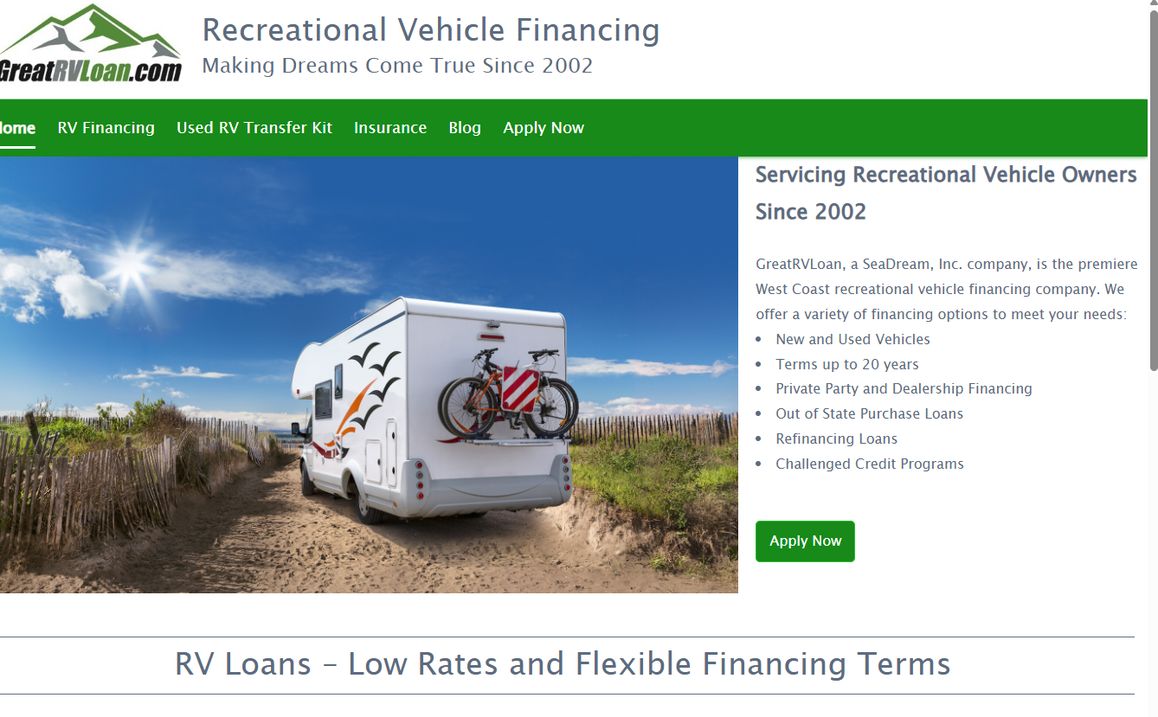
Finding a lender that understands the nuance of a 5th wheel versus a motorhome is vital. A 5th wheel requires a specialized truck to tow, which introduces a secondary asset into the financing equation. A motorhome, by contrast, is a self-contained unit. GreatRVLoan operates as a specialized brokerage and has been navigating the winding roads of recreational vehicle financing since 2002. They have a deep grasp of the West Coast market and beyond.
This option is particularly useful for those who aren’t buying from a big-box dealership. They offer solutions for private party purchases and out-of-state transactions. These can be a logistical nightmare without a seasoned expert in your corner. When you buy from a private seller, the lender must coordinate directly with the individual to ensure the title is properly transferred. Having a broker that specializes in this avoids the common “denied” response you might receive from a standard personal loan provider who isn’t equipped to handle title transfers for mobile residences.
It is a solid choice for long-term planning. Their ability to extend terms up to 20 years is a significant advantage for those looking to keep monthly payments low. This allows more of your monthly budget to go toward fuel, campsite fees, and the inevitable maintenance that comes with life on the road.
Pros:
- Extremely long terms reaching up to 20 years, aiding cash flow management.
- Specialized programs for individuals with challenged credit, providing a lifeline to many.
- Handles complex out-of-state and private party sales with expert guidance.
Cons:
- As a brokerage, they may present multiple options that require careful comparison of interest rates and fees.
2. Sago Financial
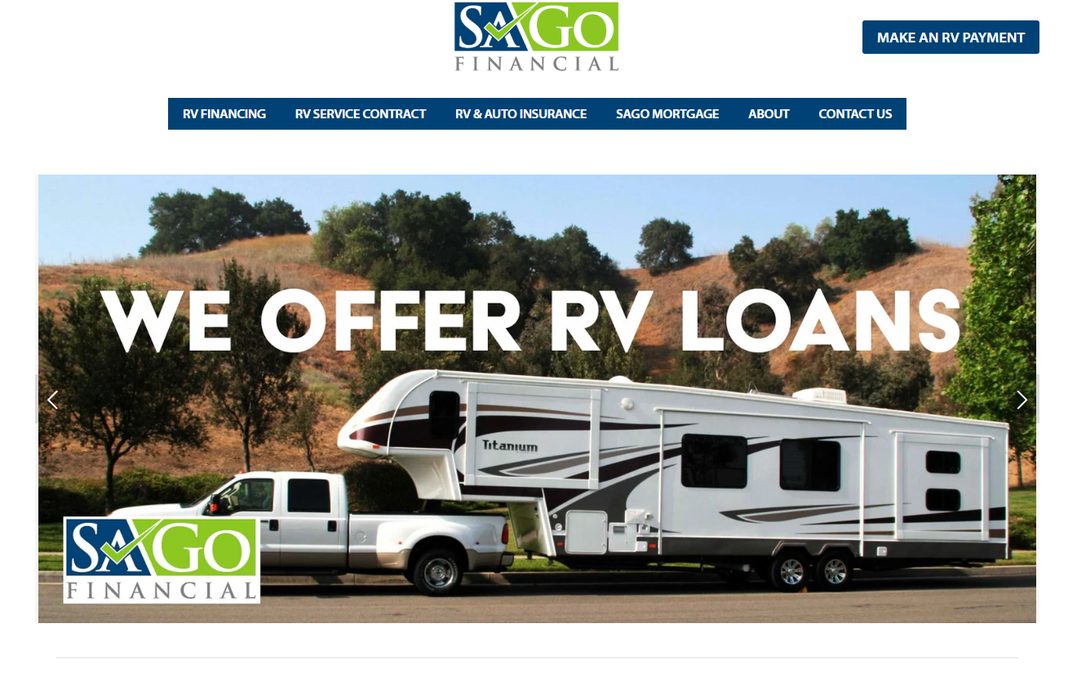
Sago Financial acts as a versatile player in the market, bridging the gap between home mortgages and recreational vehicle loans. They cater to both prime and subprime borrowers. This makes them an option for a wide spectrum of travelers looking to hit the road. Whether you are a seasoned retiree with a high credit score or a young professional just starting your nomadic journey, they provide a structured path forward.
What sets them apart is the holistic approach to ownership. Beyond just the loan, they offer RV service contracts and insurance options. These can be a lifesaver when you are miles from the nearest dealership. An RV is a complex machine. It is a house, a vehicle, and an electrical plant all in one. When a slide-out motor fails in a remote national park, you don’t want to be scrambling for funds. Having service contracts integrated into your financial planning can mitigate these sudden expenses.
Pros:
- Broad coverage for travel trailers, haulers, and various recreational assets.
- Provides extra services like RV insurance and service contracts for total peace of mind.
- Supports both prime and subprime credit profiles, ensuring accessibility.
Cons:
- The focus on multiple products might lead to complex decision-making for those who prefer a single, simple loan.
3. JetzLoan
JetzLoan enters the fray as a contender for those looking for streamlined financing. While they occupy a specific niche, they aim to provide the agility needed in a fast-moving marketplace. Timing is everything when you find that perfect used rig. In the world of used RVs, the best deals often sell within 48 hours of being listed. A lender that can move at the speed of a Facebook Marketplace listing is invaluable. (jetzloan.com)
They cater to the traveler who wants to move quickly from the research phase to the driving phase. For those who find the big banks too slow or too rigid, this specialized approach can offer a breath of fresh air in the application process. Their processes are designed to cut through the red tape that often bogs down traditional banking institutions when they encounter “non-standard” collateral like a used camper.
Pros:
- Niche focus allows for specialized attention to unique RV requirements.
- Potential for faster processing for specific loan types, ideal for competitive buying.
Cons:
- Limited public information regarding specific terms compared to larger, more transparent banks.
4. Wells Fargo
For the traveler who wants their entire financial life under one roof, Wells Fargo is a massive, established powerhouse. They offer a traditional banking experience that provides a sense of institutional security for high-value luxury assets. If you are purchasing a $300,000 luxury motorcoach, the stability of a major national bank can provide peace of mind. You know your asset is being held as collateral by a world-class institution.
Because they are a major national bank, they integrate with checking, savings, and investment accounts. This is ideal for the high-net-worth individual who wants their RV financing to be a small part of a much larger, sophisticated financial ecosystem. You can often manage your RV loan, your home mortgage, and your retirement funds from a single dashboard. This makes it easy to track your overall debt-to-income ratio.
Pros:
- Massive institutional stability and integrated banking services for a unified financial view.
- Convenient for existing customers with established relationships and significant credit history.
Cons:
- Standardized banking processes may lack the specialized “RV-first” nuance of niche brokers or specialized lenders.
Key Factors to Consider Before Signing
Before you commit to a loan, you must understand the technical aspects of the contract. The “total cost of loan” is often much higher than the “interest rate” suggests. Here are three specific areas to investigate:
- Prepayment Penalties: Many RV loans are structured similarly to auto loans, but some specialized lenders include penalties if you pay the loan off early. If you plan to sell the RV in three years but take a 10-year loan, you need to know if you will be penalized for closing that debt.
- Down Payment Requirements: While some lenders allow for low down payments, a larger down payment is your best defense against depreciation. If you put 20% down, you create a “buffer” of equity that protects you if the market for that specific RV model dips unexpectedly.
- Gap Insurance: This is critical for new RVs. Because a new motorhome can lose 20% of its value the moment you drive it off the lot, a standard insurance policy might not cover the full amount of your loan if the vehicle is totaled. Gap insurance covers that difference.
Preparing Your Financial Roadmap
To secure the best possible terms, you should treat your application like a professional business proposal. Lenders view RVs as “recreational” assets, which are inherently riskier than real estate. To counter this perception, follow these steps:
- Consolidate Your Debt: Before applying, try to pay down any high-interest credit card balances. This improves your debt-to-income (DTI) ratio, which is a primary metric lenders use to determine how much more debt you can handle.
- Document Everything: Have your last two years of tax returns, recent pay stubs, and bank statements ready. For self-employed nomads, a clear profit-and-loss statement for your business is essential.
- Understand Your Credit Score: Know whether you are looking at a “FICO” or “Vantage” score, as they differ. A small bump in your score before applying can move you from a subprime tier to a prime tier. This can potentially save you thousands in interest over the life of the loan.
Navigating the Road Ahead
Choosing a lender is not just about finding the lowest number on a piece of paper. It is about finding the right partner for a long-term commitment. Before you sign on the dotted line, ensure you have reviewed the total cost of ownership. This includes insurance and maintenance, not just the monthly payment. A low monthly payment on a 20-year loan might feel good today, but the total interest paid over two decades can often exceed the original price of the RV itself.
Avoid the trap of rushing into a deal just because you are excited about a new camper. A common mistake is ignoring the fine print regarding prepayment penalties or the specific requirements for out-of-state registration. Take your time. Compare the specialists against the giants. Drive into your new lifestyle with confidence. The right financing will feel like a tailwind, pushing you toward your adventures rather than a weight holding you back from the horizon.